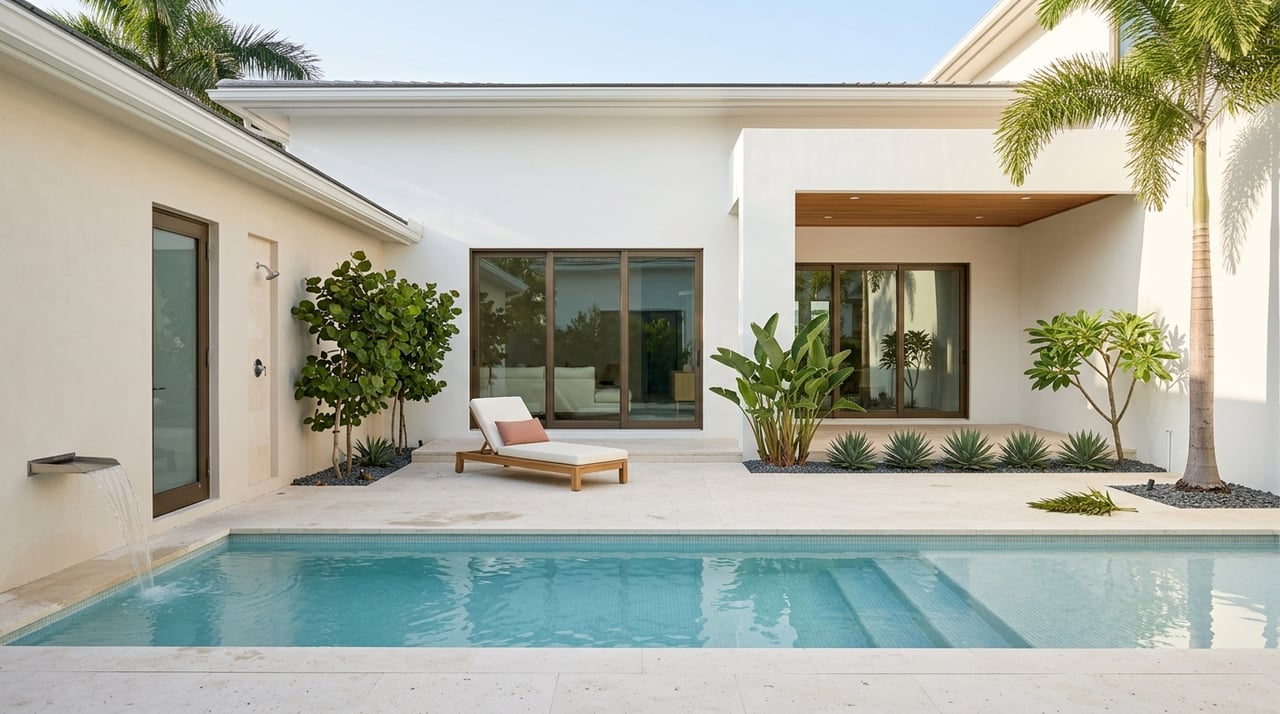
If Palm Beach has been on your second-home wish list, you are not alone. This is one of South Florida’s most sought-after coastal markets, and buying here comes with a mix of lifestyle appeal, long-term planning, and very real ownership costs. If you want a home that fits the way you live and holds up well over time, it helps to understand the local rules, seasonal patterns, and property tradeoffs before you make an offer. Let’s dive in.
Why Palm Beach draws second-home buyers
Palm Beach offers the kind of coastal lifestyle many buyers picture when they start looking for a second home. You get access to a well-known luxury market, a strong sense of place, and a range of property types from condos and co-ops to private single-family homes.
It is also a market with a clear seasonal rhythm. Discover The Palm Beaches reported 10.6 million visitors in fiscal year 2024-25, with December the most common travel month and February and March also peak months. Together, those three months made up 45% of reported visits, which means winter and early spring often feel busiest in Palm Beach County.
What seasonality means for your search
If you plan to shop during peak season, expect more activity on the ground. Traffic, service demand, and competition for desirable homes can be higher when seasonal residents and visitors are in town.
That does not mean you should avoid buying during winter. It means you should prepare for a faster, more organized search if you want to act when the right property appears. For many second-home buyers, timing matters almost as much as budget.
Palm Beach market snapshot
Palm Beach remains a high-end market even within South Florida. Redfin’s spring 2026 snapshot placed the town’s median sale price near $2.9 million, with homes averaging 118 days on market.
At the county level, Realtor.com reported homes selling for about 96% of asking price, while Palm Beach County sales rose 4.7% year over year in April 2026. Condo sales were up 6.2%, and MIAMI REALTORS reported that Palm Beach County cash buyers are more than twice the national figure. That combination points to a market where many buyers arrive well-capitalized and ready to move when the right fit comes along.
Know your true cost of ownership
For a second home, your budget should go beyond the purchase price. In Palm Beach, carrying costs can shift meaningfully depending on the property type, location, insurance needs, and whether the home qualifies for any tax benefits.
A second home is not treated the same as a primary residence for homestead purposes. Palm Beach County states that homestead applies to a permanent primary residence, the owner must occupy the property as of January 1, and the exemption can reduce assessed value by up to $50,000.
That matters because many second-home buyers will not receive that benefit. The county also notes that when ownership changes, the assessed value resets to just value, so the Save Our Homes cap does not transfer to a new owner.
Closing costs to expect
If you are financing your purchase, make room in your cash-to-close estimate for Florida-specific charges. According to the Florida Department of Revenue, buyers may face documentary stamp tax on the deed and nonrecurring intangible tax on a mortgage.
These costs are easy to overlook when you are focused on price and down payment. In a market like Palm Beach, where acquisition costs are already substantial, it is smart to review them early with your closing team.
Insurance and flood risk matter here
In coastal Palm Beach, insurance is not a side note. It is a core part of how you evaluate affordability, risk, and the right property for your lifestyle.
Palm Beach County says coastal areas are susceptible to storm-surge flooding and king tides. The county also reminds property owners that new flood insurance policies take 30 days to go into effect, which can affect your planning if coverage is required before closing or occupancy.
FEMA states that flood insurance is required for most loans in Special Flood Hazard Areas and should still be considered even when it is not strictly required. For second-home buyers, that makes flood zone review and insurance quotes an early due diligence item, not a last-minute task.
Choosing the right property type
The best second home in Palm Beach is not always the most glamorous one on paper. It is the property type that matches how often you will use it, how much responsibility you want to take on, and how comfortable you are with building rules, maintenance, and future improvement plans.
Condos and co-ops
Boutique co-ops and condos can be appealing if you want a more lock-and-leave setup. They often suit buyers who prefer a smaller-scale living environment and shared management of the building.
The tradeoff is that association governance matters a great deal. Before you write an offer, review the bylaws, rules, budgets, reserves, insurance details, and any rental or approval restrictions. Those documents can affect both your monthly costs and your flexibility after closing.
Florida law adds another layer for many older condo and co-op buildings. Milestone inspections are required for three-story-or-higher condo and co-op buildings at 30 years and every 10 years after that, and structural integrity reserve studies and reserve funding requirements can materially affect monthly carrying costs. Florida law also warns that waiving reserves can lead to unanticipated special assessments.
Single-family homes
A single-family home usually offers the most privacy, flexibility, and control over renovations. If you want to update finishes, rework outdoor space, or simply avoid many association rules, this route may fit better.
At the same time, more responsibility falls on you as the owner. In Palm Beach, that can include storm-hardening, flood exposure, wind-related insurance concerns, and ongoing code-compliance work.
Historic and landmarked homes
Some buyers are drawn to Palm Beach’s architecturally significant homes, and for good reason. These properties often carry a distinctive sense of character and long-term appeal.
But they also come with a more structured review process. The Town of Palm Beach requires development review through the Landmarks Preservation Commission for landmarked properties, and approved changes must remain in keeping with the architectural style. Non-landmarked projects go through ARCOM, so renovation timing should be part of your planning before you close.
Do not assume short-term rental flexibility
This is one of the most important reality checks for second-home buyers. Palm Beach Town is not an Airbnb-style market.
The town states that all short-term rentals, including Airbnb, are strictly prohibited. Long-term rentals are allowed if only one property is being rented, and if more than one rental unit is owned, a Business Tax Receipt is required.
If rental income is part of your ownership strategy, you need to confirm what is allowed before narrowing your options. In Palm Beach, town rules and building restrictions can quickly eliminate properties that do not fit your intended use.
Plan for resale from day one
Even if you expect to keep your second home for years, resale should still shape your decision. The strongest resale story is often the one with the fewest unanswered questions for the next buyer.
In practical terms, that may mean choosing a property with clear maintenance records, a straightforward leasing policy, and completed or current compliance related to milestone inspections and reserve requirements where applicable. It can also mean favoring a home or building with a clear approval history and fewer unknowns around renovation or flood-related risk.
The Town of Palm Beach maintains permits, surveys, construction plans, zoning applications, and landmark records. Those records can help you verify a property’s history and give you a clearer picture of what has been approved, changed, or documented over time.
Build your advisory team early
Buying a second home in Palm Beach often involves more planning than buyers expect. Title structure, estate planning, taxes, insurance timing, and association review can all affect the decision before you even get to closing.
Palm Beach County’s rules on homestead and assessed value resets make this especially important. If you are deciding how to hold title or how the property fits into a longer-term plan, coordinate early with your attorney, CPA, and estate planner rather than waiting until the contract is already in motion.
A practical Palm Beach second-home checklist
Before you make an offer, make sure you can answer these questions clearly:
- Will this property be used only by you, or do you want future rental flexibility?
- Does the home’s insurance profile fit your comfort level and budget?
- If it is a condo or co-op, have you reviewed reserves, budgets, rules, and inspection-related obligations?
- If it is historic or landmarked, do you understand the approval path for future changes?
- Have you estimated closing costs, including Florida taxes tied to the purchase?
- Have you confirmed how the property will be titled and how it fits into your broader financial plan?
When you can answer those questions with confidence, you are far more likely to buy well.
Palm Beach can be an exceptional place to own a second home, but the smartest purchases are usually the most informed ones. If you want guidance that balances lifestyle goals with practical due diligence, Engel & Völkers Fort Lauderdale can help you evaluate your options with clarity and care.
FAQs
What should second-home buyers know about Palm Beach seasonality?
- Palm Beach County is strongly seasonal, with December, February, and March representing the busiest visitor months, so winter and early spring can bring more traffic, service demand, and competition.
What taxes matter when buying a second home in Palm Beach?
- Second-home buyers should account for the fact that homestead treatment is generally limited to a permanent primary residence, and Florida closing costs may include documentary stamp tax on the deed and nonrecurring intangible tax on a mortgage.
What should condo buyers review in Palm Beach before making an offer?
- If you are buying a condo or co-op in Palm Beach, review the bylaws, rules, budgets, reserves, insurance, rental restrictions, and any inspection or reserve funding obligations that could affect monthly costs.
Are short-term rentals allowed for second homes in Palm Beach?
- No, the Town of Palm Beach states that short-term rentals, including Airbnb-style rentals, are strictly prohibited.
Why is flood insurance important for Palm Beach second homes?
- Coastal Palm Beach faces storm-surge flooding and king tides, and flood insurance may be required for some financed properties, with new policies generally taking 30 days to go into effect.
How do historic home rules affect second-home purchases in Palm Beach?
- If a Palm Beach home is landmarked, exterior changes and certain improvements must go through the town’s Landmarks Preservation Commission, which can affect renovation scope and timing.