If you are buying in Palm Beach, architecture is not just about curb appeal. In this market, style often shapes how a home lives, how it can be updated, and how well it fits the character of its surroundings. When you know what to look for, you can read listings more clearly and make a more confident decision. Let’s dive in.
Why architecture matters in Palm Beach
Palm Beach is unusually style-conscious. The Town says its Historic Preservation Program protects 18 locally designated historic districts and 46 individually designated sites, with more than 328 landmark properties, sites, and vistas protected under its Historic Preservation Ordinance.
That matters because design is part of how Palm Beach protects its identity. The Town’s guidance says Mediterranean Revival is the most popular style, and it also notes that architectural resources in Palm Beach span more than a century. For you as a buyer, that means style is not a minor detail. It can influence renovation plans, maintenance needs, and long-term appeal.
The Town also states that new construction should conform to the prevailing character of the neighborhood, block, or district. In practical terms, a roofline, window pattern, or addition that feels out of place may face more scrutiny than you would expect in a less design-driven market.
Mediterranean Revival in Palm Beach
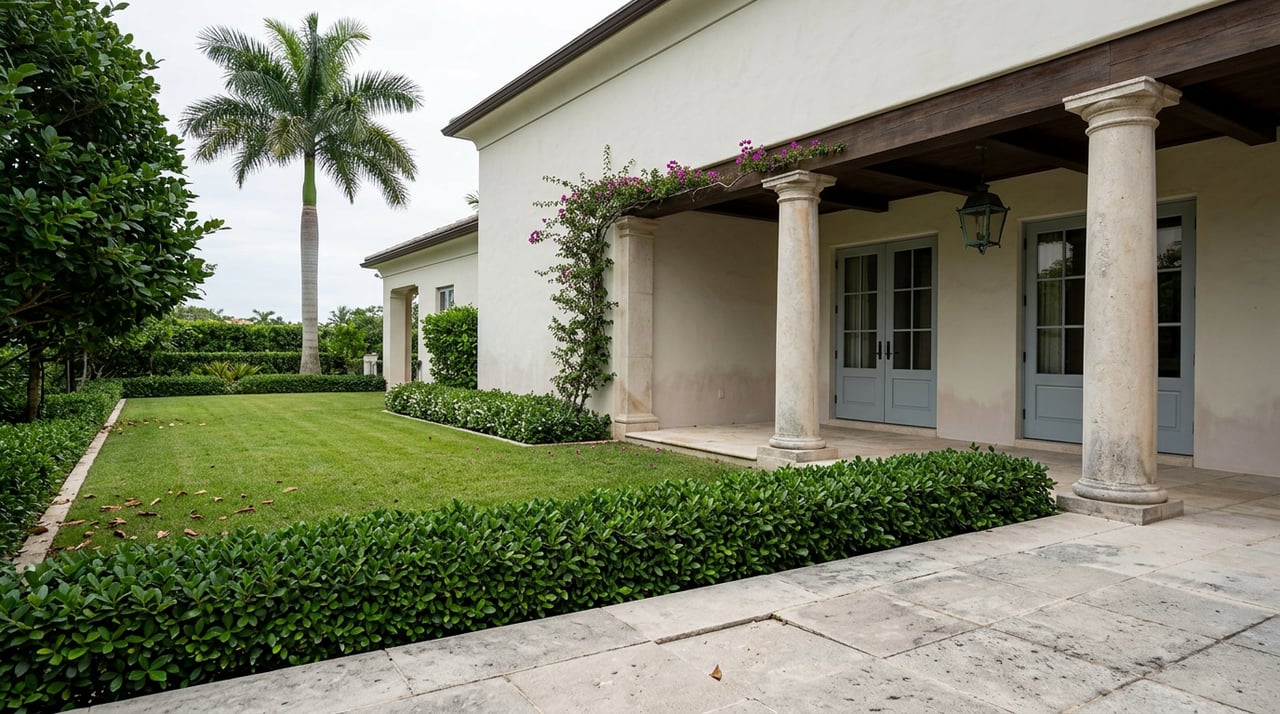
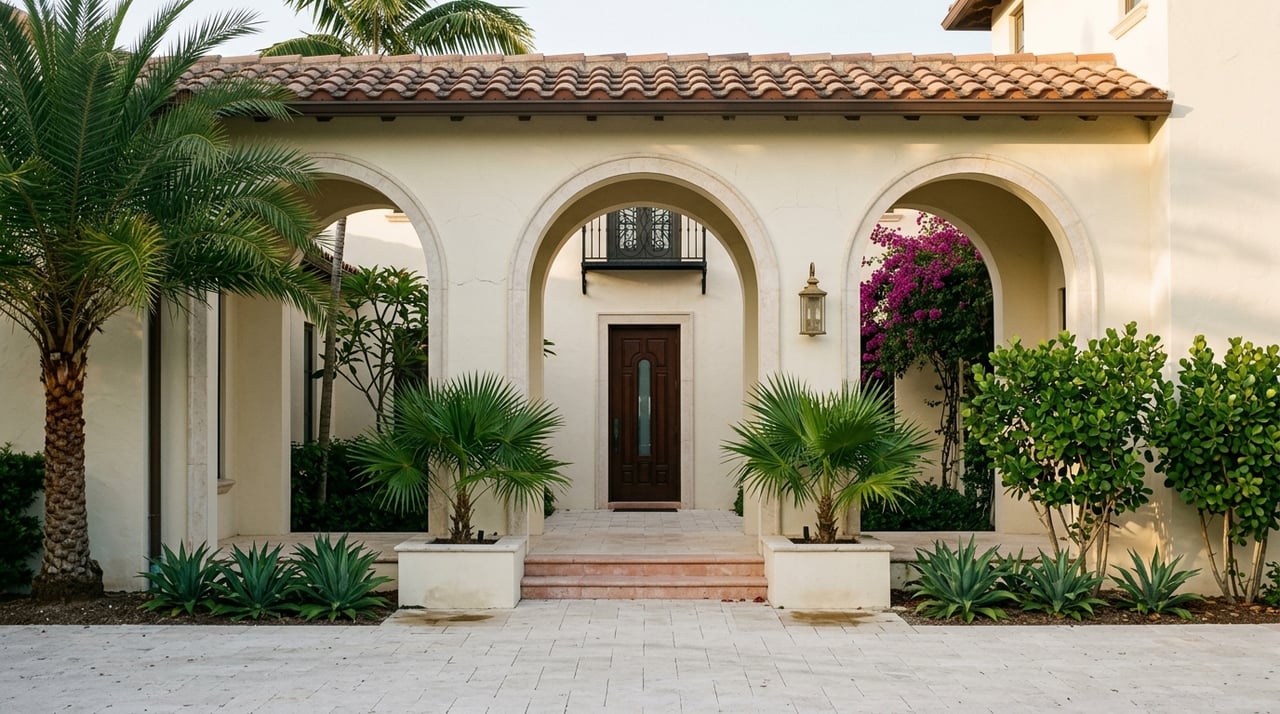
Mediterranean Revival is the signature style many buyers picture when they think of Palm Beach. The Town describes it with textured stucco, low-pitched roofs, barrel clay tile, arches, courtyards, patios, terraces, wrought iron, heavy wood doors, ceramic tile, balconies, and asymmetrical facades.
This style became especially prominent through the influence of Addison Mizner’s early Palm Beach work. The local design language that followed also emphasized tile, wrought iron, and cast-stone trim, which still help define many of the homes buyers admire today.
For you, a Mediterranean Revival home often means strong indoor-outdoor living. Courtyards, loggias, terraces, and layered rooflines can create a home that feels both private and open to the South Florida climate.
What to notice in a Mediterranean listing
When you review photos or tour a home, start with a few easy cues:
- Barrel clay tile roofs
- Stucco exterior walls
- Arched windows or openings
- Wrought-iron details
- Courtyard-oriented layouts
- Heavy wood doors and decorative tile
If several of those features appear together, you are likely looking at a Mediterranean Revival home or a property strongly influenced by that style.
Regency-inspired homes in Palm Beach
Regency-inspired architecture offers a different feel. Palm Beach’s Landmarks Manual describes Regency features as arched windows, classical moldings, keystones, pediments, and symmetry.
Compared with Mediterranean Revival, Regency-inspired homes often read as more formal and balanced. The visual emphasis is usually on order and a clear central axis rather than on layered ornament and asymmetry.
If your taste leans toward a polished, composed exterior, Regency may appeal to you. It can feel elegant without relying on the same courtyard-heavy vocabulary that defines many Mediterranean properties.
How to spot Regency style
Look for these clues in listing photos and exterior elevations:
- Symmetrical front facade
- Centered main entry
- Classical trim or moldings
- Pediments or keystones above openings
- Balanced window placement
Royal Poinciana Plaza is identified in the Town’s Landmarks Manual as an important local landmark for the style, which gives buyers a useful point of reference for Palm Beach design history.
Contemporary and modern oceanfront homes
Palm Beach is also home to contemporary and modern architecture, especially in later twentieth-century and oceanfront properties. The Town’s style guidance says these homes can include Mid-Century Modernism, Postmodernism, and other modern movements.
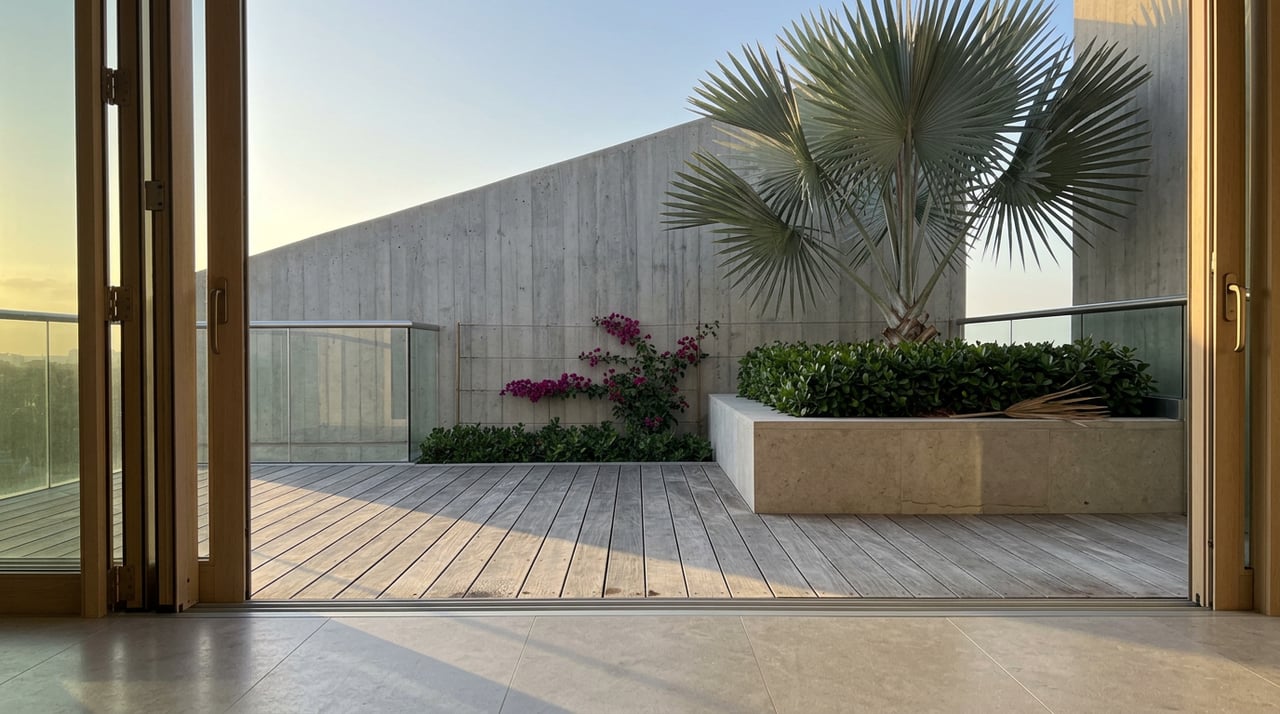
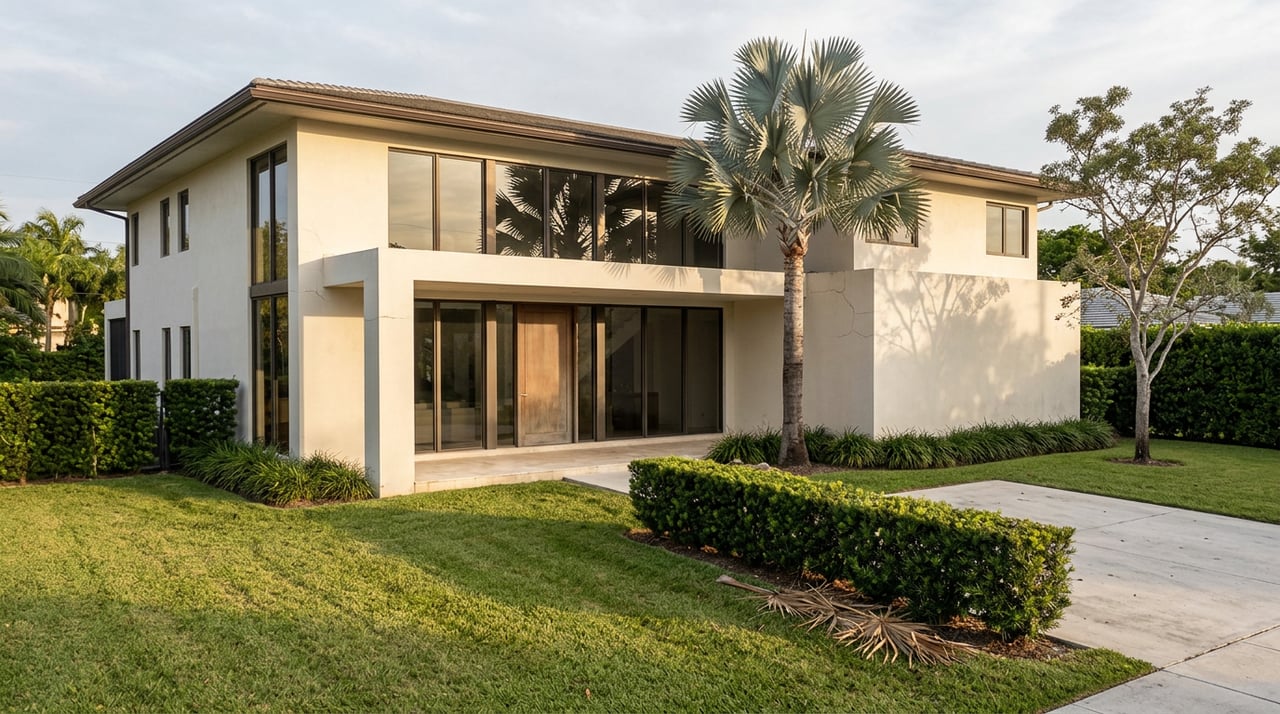
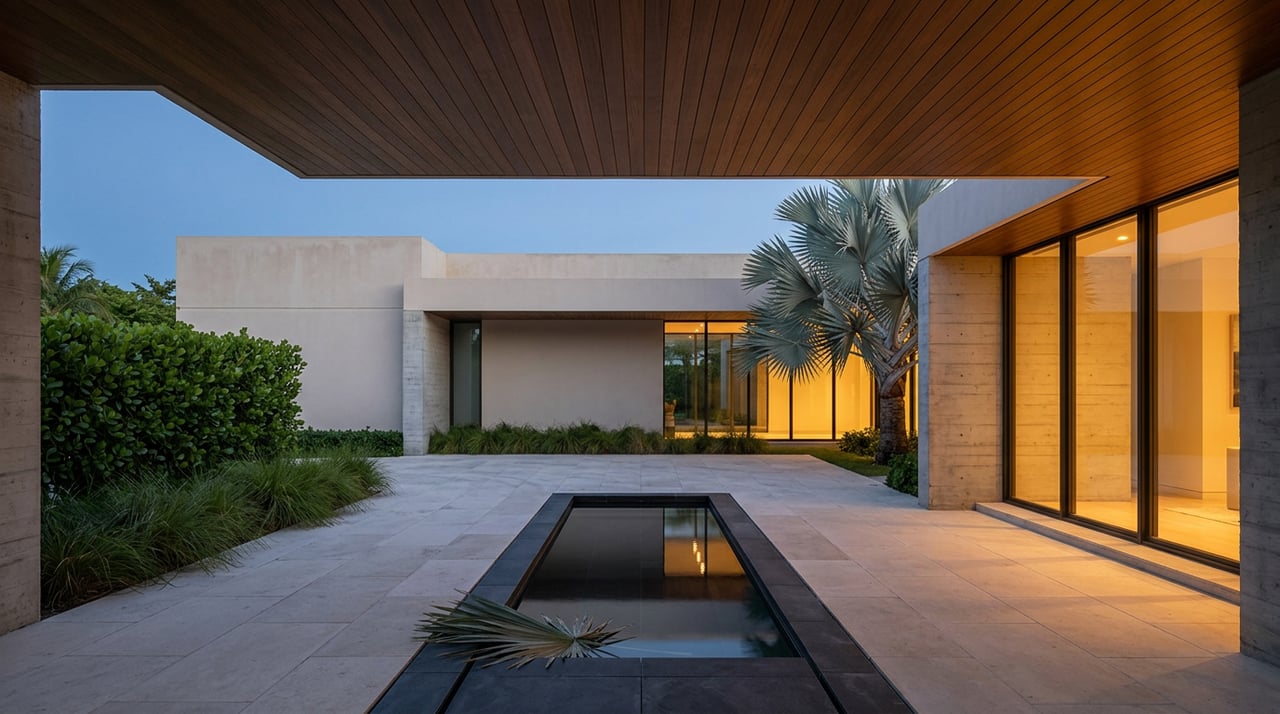
These homes are often defined by asymmetry, expansive window planes, flat roofs, sleek profiles, and larger areas of glass designed to frame exterior views. The Preservation Foundation’s Palm Beach Moderne exhibit also highlights earlier modern elements such as smooth surfaces, horizontal lines, glass blocks, portholes, and nautical cues.
For you as a buyer, this usually translates into brighter interiors, open layouts, and a stronger relationship to the view. If ocean frontage, natural light, and a clean-lined aesthetic matter most, modern homes may feel especially compelling.
What to notice in a modern listing
Modern and contemporary homes often stand out quickly. Look for:
- Flat roofs
- Broad glass walls or large picture windows
- Open and asymmetrical composition
- Smooth surfaces and minimal ornament
- Horizontal lines and sleek profiles
In Palm Beach, modern architecture can feel visually lighter than historic styles. It also tends to be more view-driven, which is especially relevant if you are shopping near the water.
How style affects daily living
Architecture is not only visual. It shapes how a home works for you every day.
Mediterranean homes often center life around patios, terraces, and courtyards. That can create a warm, sheltered feel and a strong indoor-outdoor rhythm, especially if you enjoy entertaining or private outdoor space.
Regency-inspired homes often feel more formal in their presentation. Their symmetry and classical detailing can create a more structured, composed impression from the street and throughout the floor plan.
Modern and contemporary homes often prioritize openness, light, and framed views. If you want sightlines, glass, and a layout that feels airy and flexible, this category may align best with your lifestyle.
How style affects maintenance and updates
In Palm Beach, style is also part of the maintenance plan. The Town’s Landmarks Manual recommends annual roof inspections, clean gutters and drainage, and roof replacements that match the original shape, pitch, material, and covering.
That guidance matters even more with older or highly styled homes. The manual notes that barrel clay tiles can collect debris, and that historic windows and doors should be repaired or replaced with historically correct replicas whenever possible.
The same manual points to another Palm Beach-specific issue. Because much of the land was reclaimed from swamps, historic buildings can experience settling or footing problems. That does not mean you should avoid historic homes, but it does mean careful due diligence is important.
Interestingly, the Town also notes that true historic replications of windows, roof tiles, stucco, doors, and other details are often comparable in price and installation to prefab materials. For buyers weighing authenticity against convenience, that is a useful point to keep in mind.
Questions to ask before you buy
Before you move forward on a Palm Beach property, consider asking:
- Is the home landmarked or located in a historic district?
- Have exterior elements been updated in a style-compatible way?
- What roofing materials and window types are in place now?
- Are there signs of deferred maintenance tied to historic materials?
- Will your future renovation plans require design review?
These questions can help you understand not just the home’s look, but the practical responsibilities that come with owning it.
Why renovations can be more complex
Palm Beach’s rules make architectural style more than an aesthetic preference. The Town says exterior renovations, restorations, adaptations, and additions are subject to review, and mixed style elements are usually considered inappropriate unless they are carefully integrated.
That means you should think beyond your immediate wish list. If you plan to add square footage, replace windows, change roofing, or reshape the exterior, style compatibility may become a central part of the process.
This is one reason buyers benefit from looking at architecture early, not after contract. A home that feels perfect visually may offer less flexibility for future changes, while another property may align more naturally with your plans.
Quick guide to reading Palm Beach listings
If you want a fast way to identify style while browsing listings, use this simple sequence: roofline first, window shape second, ornament third.
Here is a practical shorthand:
- Mediterranean Revival: barrel tile, stucco, arches, loggias, wrought iron, courtyards
- Regency-inspired: symmetry, centered entry, classical details, pediments, balanced windows
- Contemporary or modern: flat roofs, broad glass, open composition, minimal ornament
This approach will not replace a close review, but it can help you sort properties quickly and understand why one home feels different from another.
Palm Beach compared with nearby markets
Palm Beach stands apart because of its curated architectural identity, but nearby coastal markets offer useful contrast. Boca Raton, for example, says it was built around an elegant Mediterranean Revival style influenced by Addison Mizner, though it has a more city-scale development pattern than Palm Beach island.
West Palm Beach is broader and less uniform. The city says it has 18 locally designated historic districts and 46 individually designated sites, and its preservation guidance reviews elements such as roofs, windows, fences, and cladding for style compatibility.
Delray Beach adds another layer of comparison. Its downtown design guidelines identify seven acceptable styles, including Florida Vernacular, Anglo-Caribbean, Mediterranean Revival, Classical Tradition, Art Deco, Masonry Modern, and Main Street Vernacular. For buyers, the takeaway is simple: Palm Beach tends to feel more tightly edited, while nearby markets often offer a wider mix of architectural expression.
Choosing the right style for your goals
The best style for you depends on how you want to live and what kind of ownership experience you want. If you are drawn to craftsmanship, ornament, and classic Palm Beach character, Mediterranean Revival may feel like the natural fit.
If you prefer balance, order, and a more formal exterior presence, Regency-inspired homes may stand out. If your priorities are light, openness, and view-centered design, a modern or contemporary home may make the most sense.
The key is to look beyond appearances. In Palm Beach, style influences lifestyle, maintenance, and future flexibility all at once. When you understand that connection, you can buy with more clarity.
If you are comparing Palm Beach homes and want help evaluating architecture, livability, and long-term potential, Engel & Völkers Fort Lauderdale offers thoughtful guidance across coastal South Florida.
FAQs
What is the most common architecture style in Palm Beach?
- The Town of Palm Beach says Mediterranean Revival is the most popular style in the town.
How can you identify a Mediterranean Revival home in Palm Beach listings?
- Look for textured stucco, low-pitched barrel tile roofs, arches, courtyards, wrought iron, balconies, and heavy wood doors.
What features define Regency-inspired homes in Palm Beach?
- Palm Beach’s Landmarks Manual points to arched windows, classical moldings, keystones, pediments, and symmetry.
What makes modern oceanfront homes in Palm Beach different?
- They often feature flat roofs, expansive glass, asymmetrical layouts, sleek profiles, and planning that emphasizes light and exterior views.
Why does architecture style matter when buying a Palm Beach home?
- In Palm Beach, style can affect daily livability, maintenance needs, renovation options, and how well a property fits local design standards.
Do Palm Beach historic homes require special upkeep?
- Yes. The Town’s Landmarks Manual recommends annual roof inspections, clean drainage, and repairs or replacements that match original materials and design details where possible.
Can you easily renovate the exterior of a Palm Beach home?
- Not always. The Town says exterior renovations, restorations, adaptations, and additions are subject to review, and style compatibility is an important part of that process.